Easy Tiger Retro Design: A Bold Graphic Asset
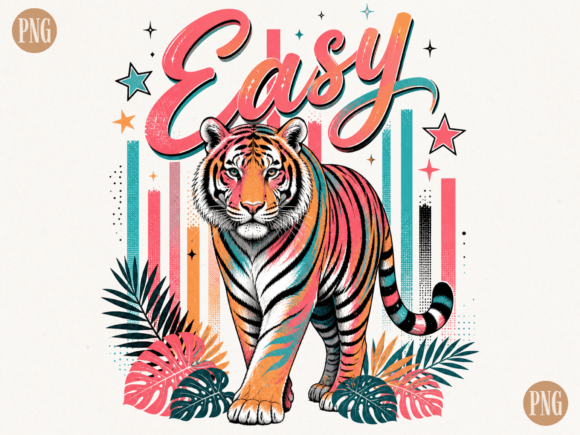
In a digital landscape saturated with generic imagery, finding a design element that commands attention and conveys personality is crucial. The Easy Tiger Retro Design PNG Design is precisely that kind of asset—a vibrant, high-quality graphic that injects immediate energy and nostalgic charm into any creative project. This isn't just a clipart image; it's a versatile visual tool engineered for impact, blending a classic vintage aesthetic with modern usability to help creators stand out.
Why This Retro Tiger Design Matters
Modern graphic design thrives on a balance between uniqueness and relatability. The Easy Tiger Retro Design | Colorful Striped Tiger SVG | Vintage Animal Graphic | Sublimation PNG for T-Shirt exemplifies this balance. Its retro style taps into enduring design trends that evoke warmth, authenticity, and a sense of timelessness, while the dynamic tiger motif adds a layer of bold, animalistic energy. This combination makes it a powerful asset for strengthening brand identity, as it communicates confidence and creativity without saying a word. For designers and marketers, it solves the common challenge of sourcing visuals that are both distinctive and professionally polished.
Practical Applications Across Creative Projects
The true value of a design asset lies in its versatility. This high-resolution, transparent PNG file is built for seamless integration into a multitude of applications. Its utility spans from personal DIY crafts to professional commercial ventures, making it a cornerstone resource for any creative workflow.
For Branding and Marketing
In branding and logo design, the tiger graphic can serve as a memorable mascot or a central emblem, instantly giving a brand a fierce and approachable personality. Its colorful striped pattern offers a ready-made color palette to inform broader brand systems, from business cards to packaging. For digital marketing, it becomes a scroll-stopping hero image for social media graphics, email headers, and online advertisements, enhancing user engagement through strong visual hierarchy.
For Product and Editorial Design
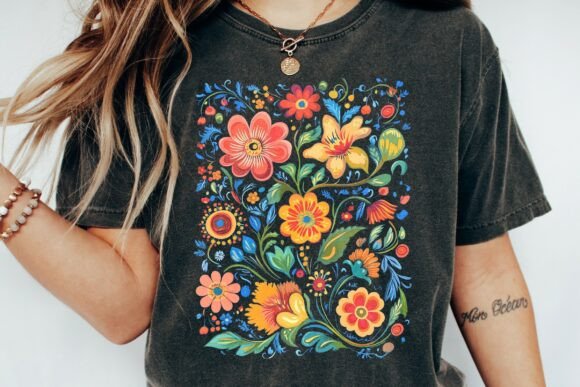
When applied to merchandise like T-shirts, mugs, and tote bags, the design's vintage flair translates perfectly to physical products, appealing to audiences who appreciate retro aesthetics. In editorial design and web design, it can break up text-heavy layouts, act as a compelling section header, or add personality to a blog post. The transparent background ensures it integrates cleanly into any composition without disrupting the existing visual hierarchy or color palette.
Key Advantages for Seamless Integration:
- High-Resolution Quality: At 300 DPI, the design maintains crisp detail for both large-scale prints and digital screens.
- Transparent Background: Allows for effortless placement over any color or pattern, speeding up your design workflow.
- RGB Color Mode: Optimized for vibrant digital display across websites, social media, and digital presentations.
- Instant Digital Download: Provides immediate access for time-sensitive projects, a boon for print-on-demand businesses and freelancers.
Tips for Effective Use in Your Design System
While the asset is ready to use, thoughtful application maximizes its impact. First, consider your audience and goal. The retro tiger style is ideal for brands targeting a youthful, energetic, or nostalgic demographic. Ensure it aligns with your overall visual communication strategy. Second, maintain consistency. If using the tiger as a brand icon, apply it uniformly across all touchpoints to build recognition. Finally, think about scalability. The vector-ready SVG component (included in the download) is perfect for situations requiring infinite resizing without quality loss, such as large packaging design or detailed UI design elements.
Investing in high-caliber creative assets like this tiger design is an investment in quality communication. It elevates professional presentation, saves valuable time in the creation process, and provides a foundation for building compelling visual narratives. In the end, the right graphic does more than decorate—it connects, communicates, and captivates.