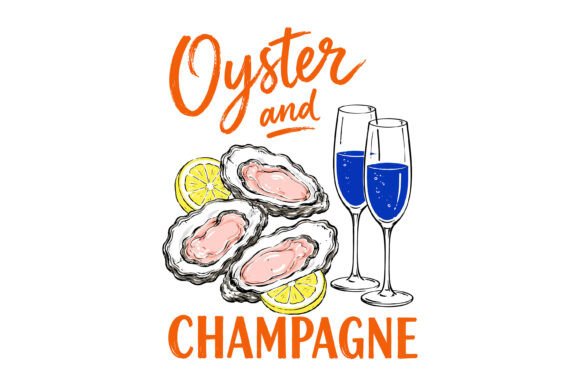
Oyster and Champagne: A Study in Elegant Design
The glistening pearl of an oyster, the effervescent golden bubbles of champagne—these aren't just culinary delights; they are powerful visual symbols of luxury, celebration, and refined taste. For graphic designers, the Oyster and Champagne Food Design aesthetic offers a masterclass in creating sophisticated visual narratives that resonate deeply with audiences seeking premium experiences. This design language transcends simple food photography, evolving into a versatile toolkit for branding, marketing, and digital storytelling.
The Visual Language of Luxury
At its core, this design style leverages a specific color palette and textural contrast. Think of the cool, silvery blues and pearlescent whites of the oyster shell against the warm, liquid gold and deep amber of champagne. The interplay of rough, organic textures with smooth, reflective surfaces creates immediate visual interest and a strong sense of tactile quality. This approach is invaluable for establishing a brand identity that communicates exclusivity, craftsmanship, and sensory pleasure, making it ideal for high-end gastronomy, boutique hotels, and luxury lifestyle brands.
Practical Applications for Designers
The utility of this aesthetic extends far beyond a restaurant menu. Its inherent elegance can elevate a wide range of creative projects.
- Branding & Logo Design: Use simplified oyster shell curves or champagne flute silhouettes to craft logos that feel both timeless and contemporary. The motifs suggest a "pearl" of quality or a "sparkling" new idea.
- Packaging Design: This is a natural fit. Imagine cosmetic boxes, gourmet food labels, or product inserts that use textured papers, foil stamping in gold, and clean, serif typography to mimic the luxury of the subject matter.
- Digital Marketing & Social Media: Create stunning social media graphics and website hero images. The high-contrast visuals are perfect for grabbing attention on Instagram or Pinterest, effectively communicating a product's premium value in a single glance.
- Editorial & UI Design: In magazine layouts or web design, these elements can be used as elegant section dividers, background textures, or iconography to enhance visual hierarchy and guide the user's eye with sophistication.
Tips for Effective Implementation
To harness this style successfully, focus on intentionality and cohesion. First, maintain consistency across all touchpoints. The same golden hue and serif typeface should appear on the website, social media posts, and printed materials to build a recognizable brand identity. Second, prioritize readability and scalability. While the imagery is rich, ensure that any overlaid text—especially in UI design or on packaging—has sufficient contrast and clear visual hierarchy. The design should be as functional as it is beautiful.
Consider the composition carefully. A balanced layout that uses negative space effectively will feel more premium than a cluttered one. When selecting or creating assets, look for high-resolution files that offer flexibility. A comprehensive asset pack, for instance, that provides formats like SVG for scalability and EPS for full editability in Adobe Illustrator empowers you to adapt elements precisely to your project's needs, whether for print design or digital applications.
Ultimately, the Oyster and Champagne design philosophy is about more than just depicting food; it's about evoking a feeling of curated excellence. By thoughtfully applying its principles—through careful color selection, balanced composition, and clean typography—designers and creators can craft visuals that don't just capture attention but communicate a story of quality and refined taste. Investing in high-quality creative assets that embody this aesthetic is an investment in clear, compelling, and elevated communication.